

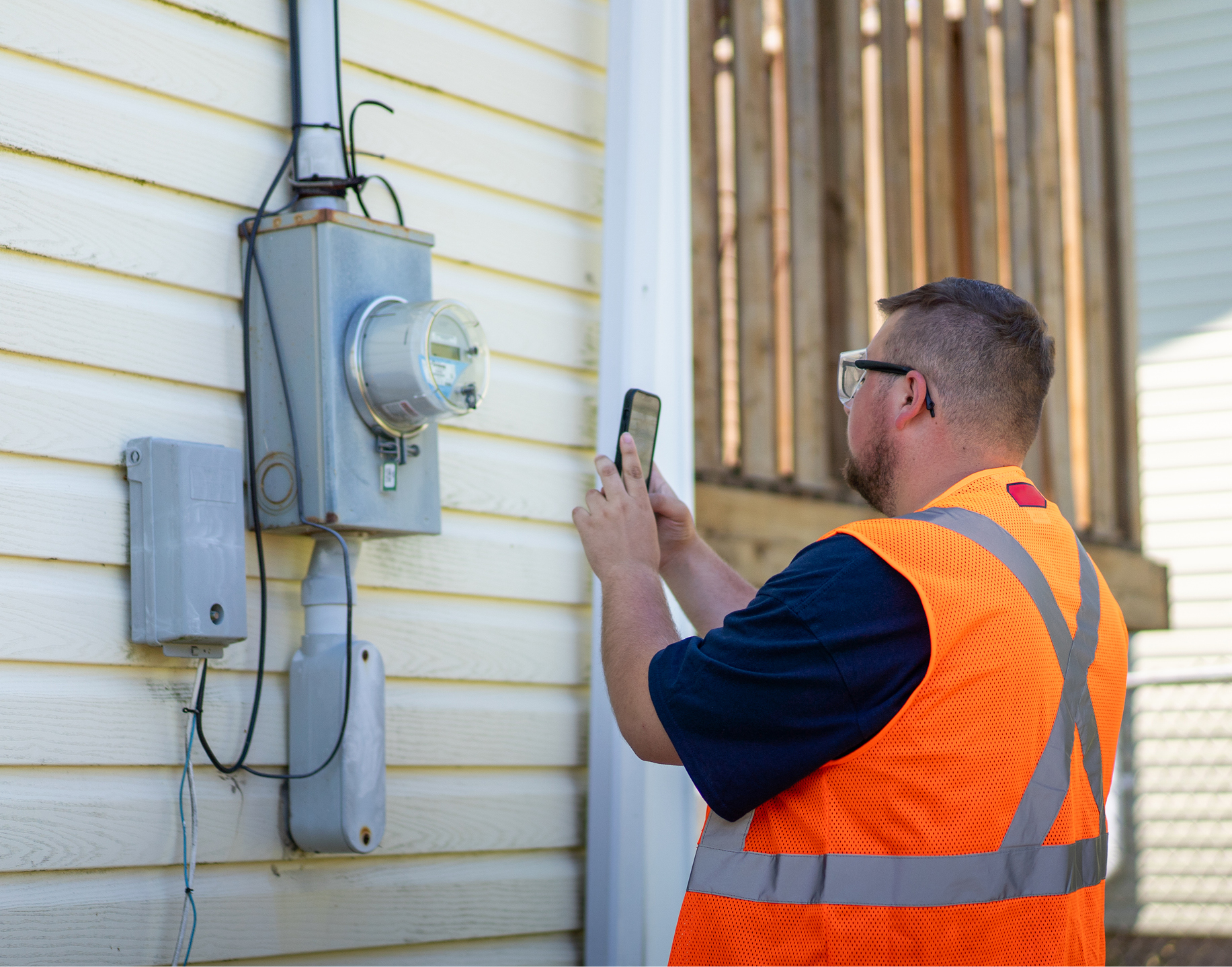
Our Commitment to You: Billing
Here is what you can expect from your billing experience going forward.
Read More about Our Commitment to You: Billing
Just like the seasons, your energy use naturally changes over the course of the year. During the winter months you're spending more time inside staying cozy. The heat’s turned up, the slow cooker is working overtime making warm meals, and you’re staying entertained with electronics, like video games, TVs, and smartphones. This also means using more electricity than in the warmer months.
While your bill can fluctuate throughout the colder season, there are things you can do now to manage your bill and keep it steady throughout the seasons.
Consider our Equal Billing plan
Want a predictable monthly bill? Our Equal Billing plan is a great option to help you manage your bill. This plan spreads the cost of your annual electricity use over 12 equal monthly payments, meaning you always know exactly how much of your monthly household budget will go towards your power bill, especially during the colder months when bills tend to be higher.
Bonus: Our customers who heat their homes with electricity find this plan particularly helpful.
Resources from our partners
Efficiency Nova Scotia offers many programs and rebates on energy efficient products to make your home comfortable and to help you save money—think insulation, heat pumps, hot water heaters, and many more. You can visit here to take advantage of it.
The Home Energy Assistance Top-up (HEAT) Fund helps eligible Nova Scotians with their energy bill. A combined effort with the province of Nova Scotia and the Salvation Army, the fund provides emergency assistance for all forms of home heating, including electric, propane, oil, wood, and natural gas. For more information, visit here >
Unplug your electronics and turn off your lights when you’re not using them. If you step into most homes in Nova Scotia, you’ll find an array of electronics—from smartphones and tablets to video game consoles, laptops, and computers; one thing is clear: we’re plugged in. But did you know that even when turned off, these devices use standby power? Try using a power bar to turn them off and on easily without using unnecessary electricity.
You may have heard your parents say it when you were growing up, but if you aren’t spending time in the room, turn the lights off to save electricity.
Lower the thermostat when you're out of town. Lowering it to 16 degrees when you’re travelling or away for an extended amount of time will keep your water pipes from freezing while making it easy for you to save energy and money when you’re not home.
Use cold water in the washer when doing your laundry. Not only is cold water just as effective for your laundry, but it’s also gentler on your fabrics, helps prevent fading, and allows you to save energy while doing your chores! Win, win?
If your home is heated with a heat pump, keep your temperature consistent. If your home is heated and cooled by heat pumps like ducted or mini splits, they do a great job of maintaining temperatures. Due to their efficiency and how they work, it’s recommended to set the unit to a temperature you're comfortable with and leave it.
With mini splits, if you do find the temperature needs an adjustment, changing the set temperature by a few degrees won’t impact your energy use by much.
With a central heat pump system, changing the temperature settings by several degrees inside your home can add up quickly. It’s best to do this in stages.
If you heat your home with electric baseboard or on-demand boilers, program your thermostat to these temperatures based on your usage and schedule. If your home is heated by electric baseboard or on-demand boilers, you can save money by setting your temperate back around five degrees at night or when away from the home for more than 24 hours. Here are some recommendations:
There’s a good reason why, for every degree the thermostat is set above 21 degrees, the energy use and cost will increase 2–2.5 percent.
By using the concept of ‘zones’ to heat certain areas of your home more than others, you can save up to 20% in heating. However, this really depends on the type of heat source in your home.
If you have questions about your bill or are looking for more suggestions, we’re here to help. You can message us on social media or call our Customer Care team at 1-800-428-6230.
Share This Post:
Here is what you can expect from your billing experience going forward.
Read More about Our Commitment to You: Billing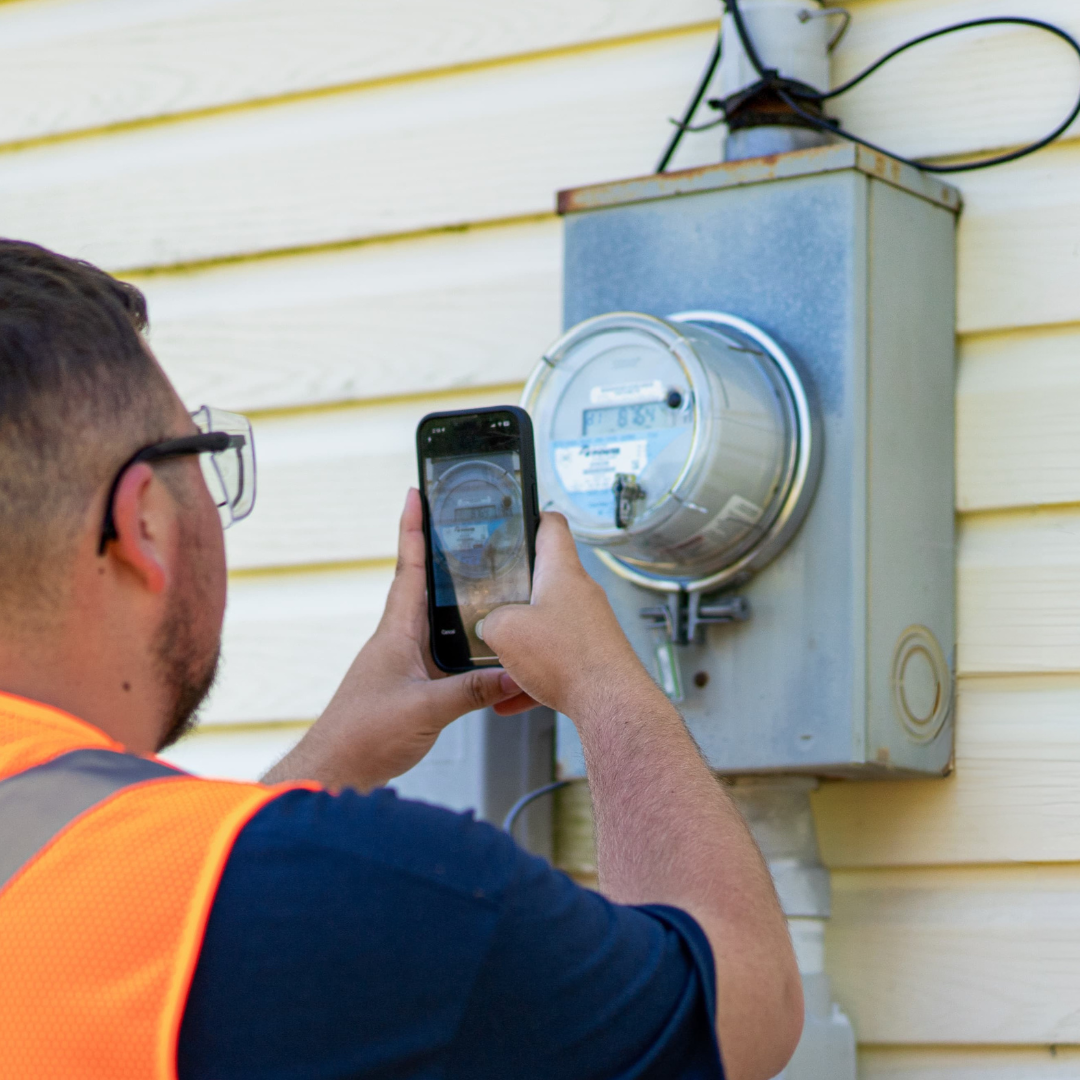
We know that recent challenges with estimated billing have caused frustrations and concerns, and that this year’s cyber incident has impacted you and your trust in us. We're holding a series of in-person community sessions across the province to help our customers understand the options related to their bills. Our promise to all you—and all our customers—is where we’ve made mistakes, we will fix them. If we have overestimated or underestimated your bill, we will fix it. If you have overpaid, we will fix it.
Read More about Our Customer Care team is hosting in-person support sessions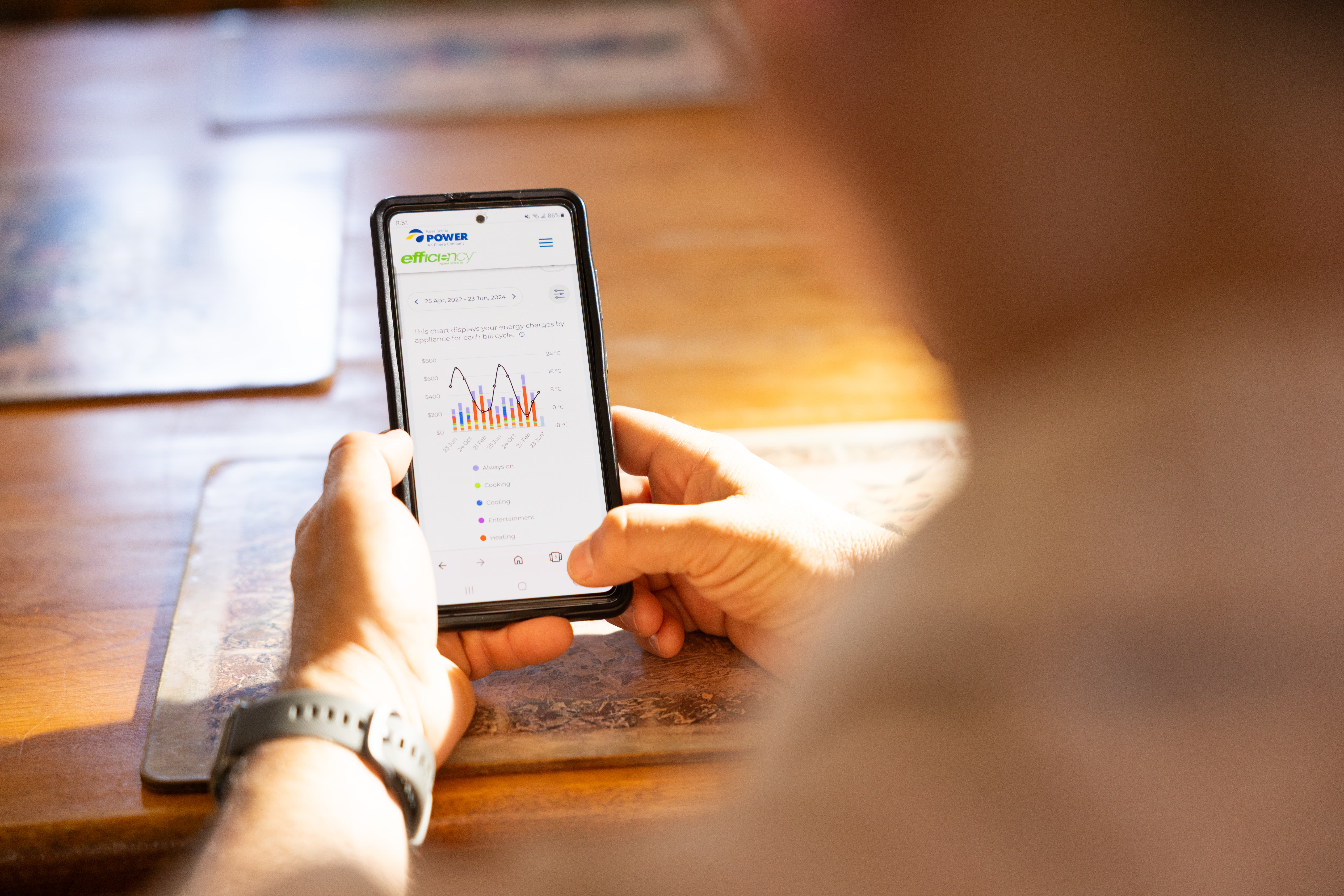
MyEnergy Insights is a handy tool that can help give you more control over your energy usage. Having a better idea of how power is being used can help to manage your bill and increase your home’s efficiency.
Read More about Saving energy and money with MyEnergy Insights