

Preparing for extreme cold

Our teams are preparing for an extremely cold weekend across the province.  

Temperatures in parts of Nova Scotia could get into the -20s (and a windchill of -38) and this type of cold puts significantly more demand for electricity on the system. This demand is caused when our customers’ need for heating significantly increases. In extreme cold temperatures, more people also stay home using other sources of energy, like lights and appliances to avoid the cold outside.

That’s why our teams in power production and in the field across the province have been planning ahead so we’re prepared and ready to respond to this high demand for energy. We want to ensure the safety of our customers and the grid.

Some of the ways we’re preparing include: 

  • Continuous monitoring of weather models and forecasts
  • Preparing all our power generating sites to maximize our energy output
  • Working with other power producers located in Nova Scotia to ensure that their resources are also operating at maximum levels
  • Coordinating with our neighbouring provinces, who are also anticipating extreme cold weather and increased system loads, to support each other wherever we can
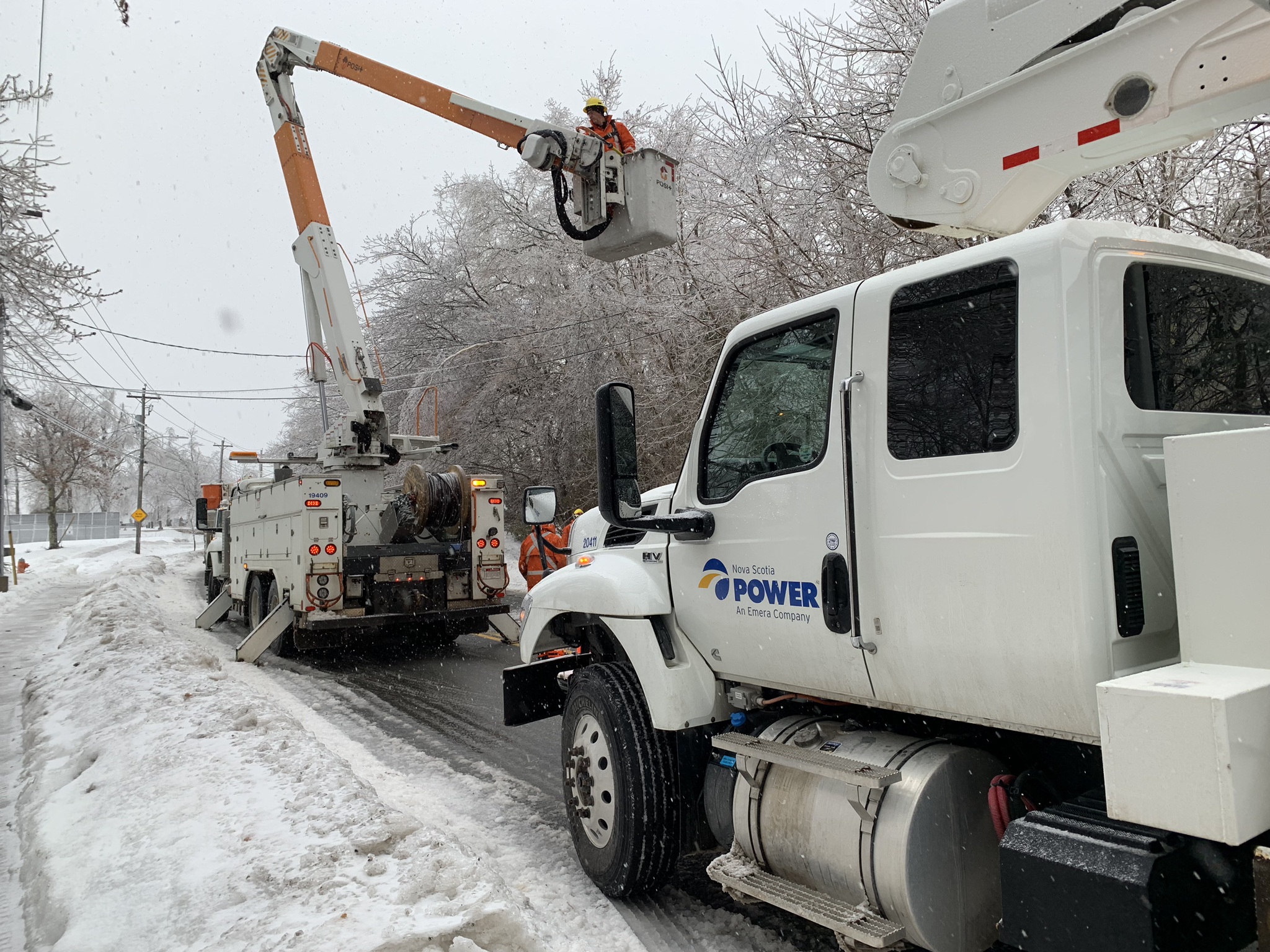
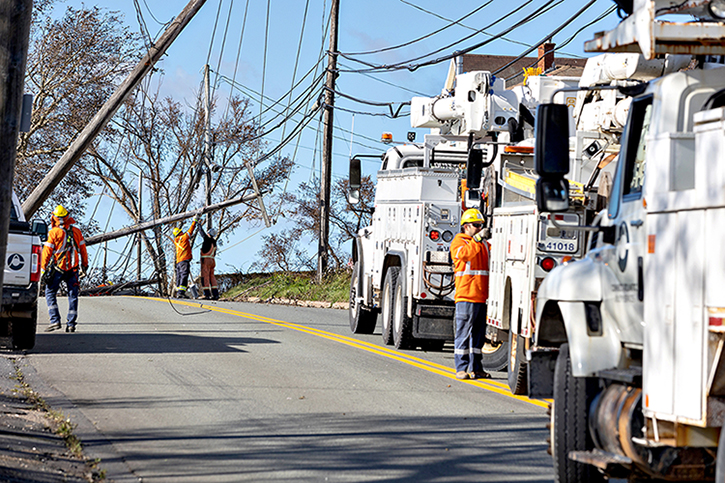
  • Positioning our crews across the province
  • Staging equipment in key areas for faster response

What our customers can do: 

  • Avoid using large appliances such as dishwashers, ovens, and clothes washers and dryers, especially during peak demand hours (7–⁠11 AM and 5–9 PM). Use the microwave, air fryer, or toaster oven instead.
  • Shift non-essential activities, like laundry, to times when power demand is lower (midnight–7 AM, 11 AM–5 PM, and 9 PM–midnight).
  • If you have an electric water heater, limit the use of hot water as much as possible.
  • Turn off all unnecessary lights and unplug any electronics or appliances not in use.

We encourage our customer to visit this page to find out more about how extreme cold temperatures affect the grid and how to be prepared.


Share This Post: