In Nova Scotia, we are used to unpredictable weather conditions, but there is a time of year where we need to be particularly alert and prepared: storm season.
When severe weather hits, critical infrastructure like power can be affected, and preparation goes a long way in keeping you and your family comfortable and safe. To help you get ready for storm season, we’ve put together a few things to keep in mind and some tips on what you should pack in your emergency kit.
Staying Storm-Ready
Having an emergency kit goes a long way—but what else can you do to prepare for severe weather? To keep ahead of the game, make sure you keep an eye on the weather and plan for the storm and its effects to be worse than expected. Have an emergency plan and use the best resources for the best information, like Environment and Climate Change Canada.
Staying Safe When Weather Hits
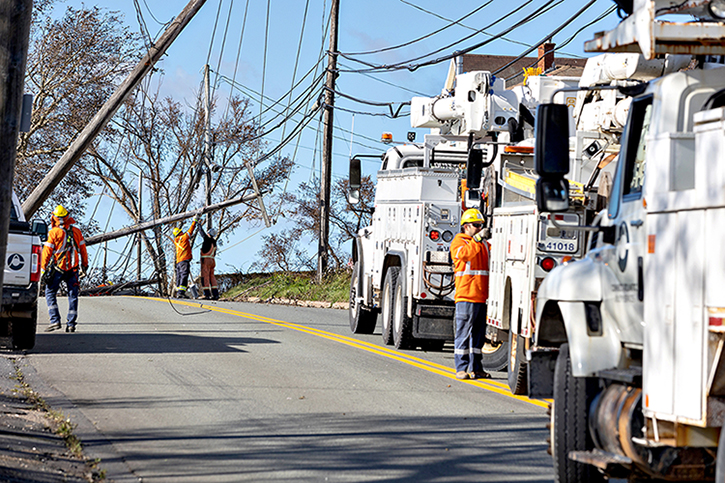
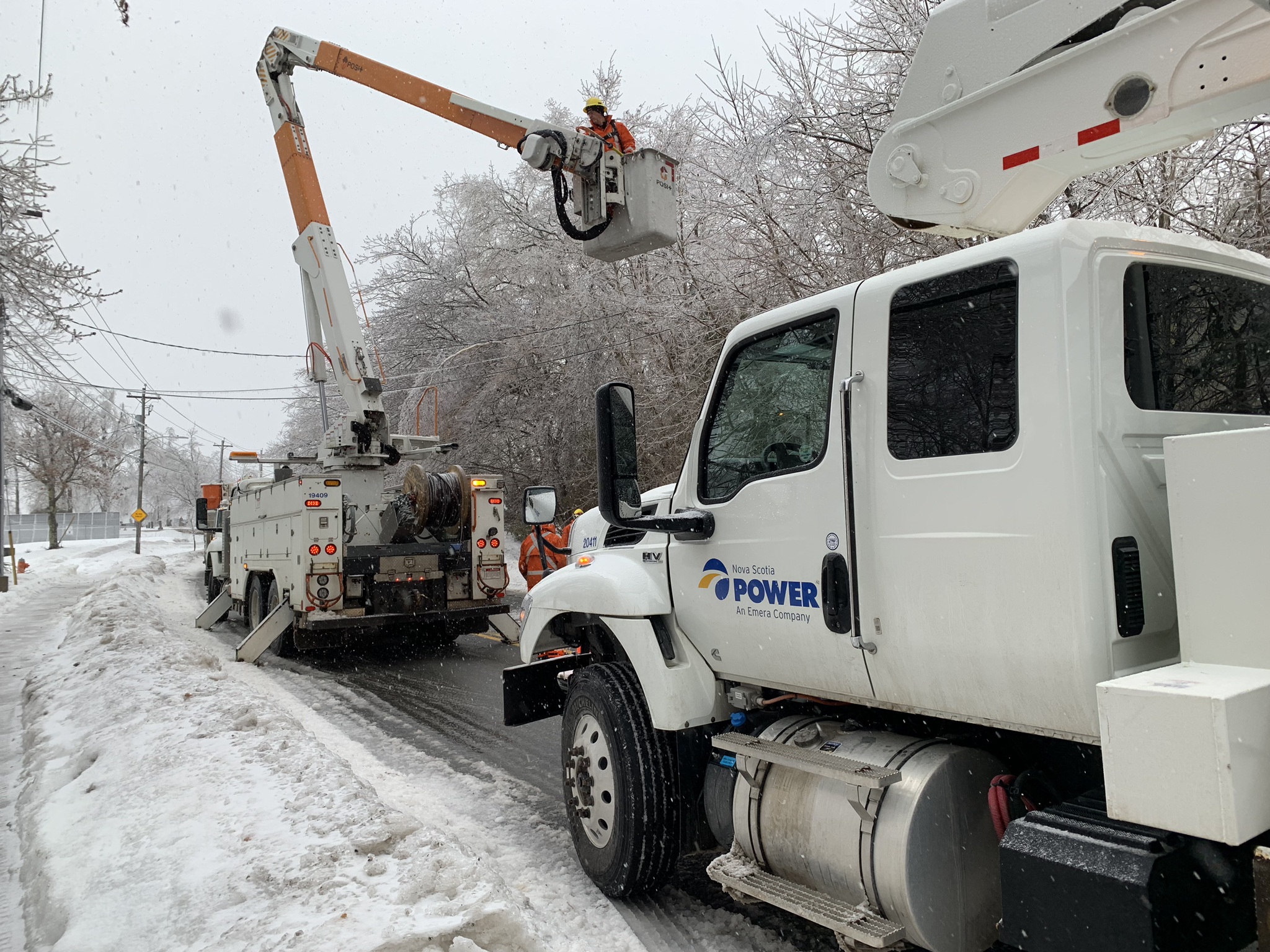
If severe weather impacts your power service, remember that our crews will be out working to restore power safely and as quickly as possible. Please do not approach crews and keep a safe distance away from work sites. If you encounter a downed wire, stay at least 20 meters back and notify us and 911. Curious about the process of restoring power? Learn more here >
If there is a risk of water entering your home, disconnect all electrical equipment and if safe to do so, turn off your main breaker. Never run a generator, barbecue, or other fume or gas emitting equipment indoors.
Never feed power from your generator into a wall outlet or directly into your electrical system. This could allow power to back-feed into our system and result in severe injury or death to our employees. When power is restored after an outage, it may feed directly into your generator, causing severe damage. To eliminate this dangerous situation, a transfer switch is required to be properly installed by a qualified electrician.
Check your List Twice
We’ve put together a helpful storm safety and preparedness checklist. Keep this handy leading up to, during, and after a storm for information on how to prepare, how to stay safe during a storm, and information for after the storm passes.
Build your Kit
A comprehensive emergency kit is a crucial tool in keeping you and your loved ones safe and comfortable during a severe weather event. Aim to have enough supplies for at least 72 hours. This includes two litres of water per person, per day, nonperishable food items, batteries and flashlights, important documents, etc. For a complete list of suggested emergency kit contents, visit www.getprepared.ca.
Share This Post: