Summer is here, and Nova Scotians are out taking advantage of the natural beauty and seasonal activities across the province. While there is certainly a lot to enjoy, the summer brings several safety considerations to keep in mind as our teams continue their work in communities across Nova Scotia. Check out a few of the top safety tips from our field teams.
Traffic Control
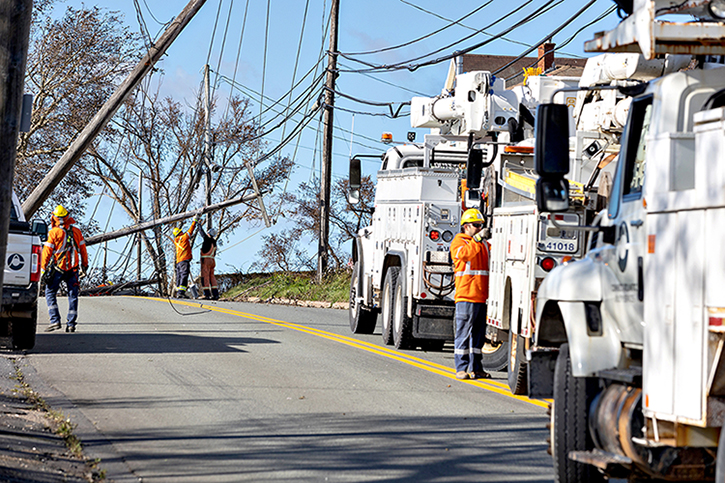
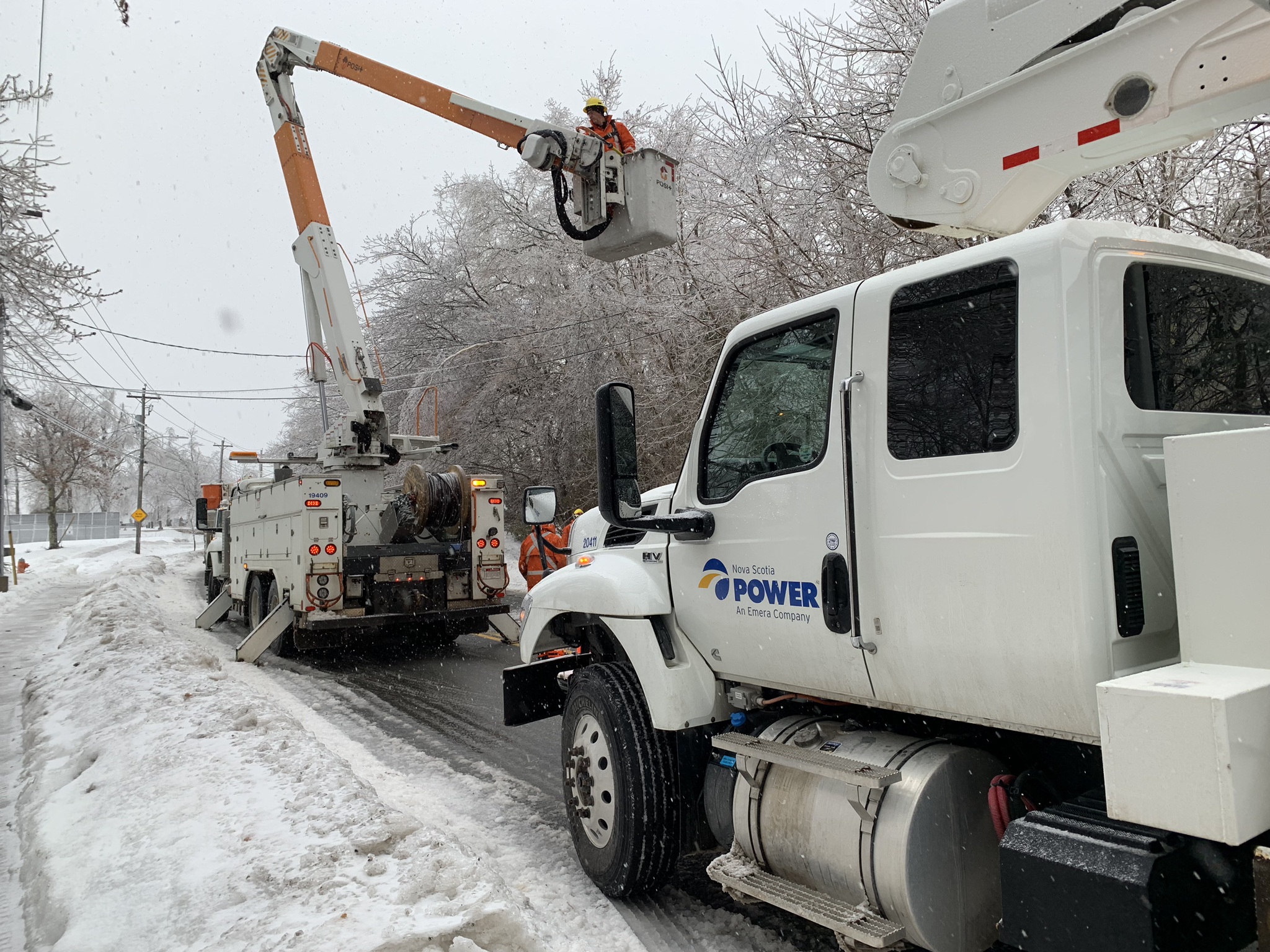
This summer, you are almost sure to see our crews or contractors working to upgrade and maintain the electrical system. Whether it is planners scoping the work, powerline technicians installing new equipment, or foresters working to trim trees away from powerlines, we all have a role to play when it comes to keeping each other safe.
When passing a crew worksite, be sure to drive cautiously, be aware of team members near the road, and follow the directions of traffic control personnel and signage closely.
Safe Clearance and Tree Trimming
Summer is also an ideal time to get some work done around the house. Tasks that seem straightforward, like trimming trees and branches or painting your house, may require you to think carefully about electrical safety—make sure you keep back from powerlines and leave work close to powerlines to the professionals.
Visit here to learn more about our customer tree trimming program. To request a safe clearance report, please call 1-800-428-6230.
Dam Safety
We operate 17 hydroelectric systems, 53 generators, and approximately 155 dams on lakes and rivers around Nova Scotia to generate renewable electricity. These are active sites, and any activity surrounding hydro facilities can be very dangerous.
Remember to always adhere to posted signage, fences, booms, and barriers. Waters up or down stream from these facilities can suddenly turn into rapids with a powerful undertow—do not swim, fish, or boat near dams and hydro facilities.
Rights-of-Way
Our transmission lines carry high-voltage power from our generation sites to homes and businesses across the province. These lines cross vast landscapes including forest lands, fields, and waterways. Right-of-way clearances are 12 meters (40 feet) for high voltage lines and five meters (16 feet) for service lines that go to your house. Keep in mind that powerline technicians, and contractors like forestry crews, need clear access to these areas to ensure safe and reliable operation of the grid. Make sure there are no obstructions, and nothing is built or left within the right-of-way.
Share This Post: