

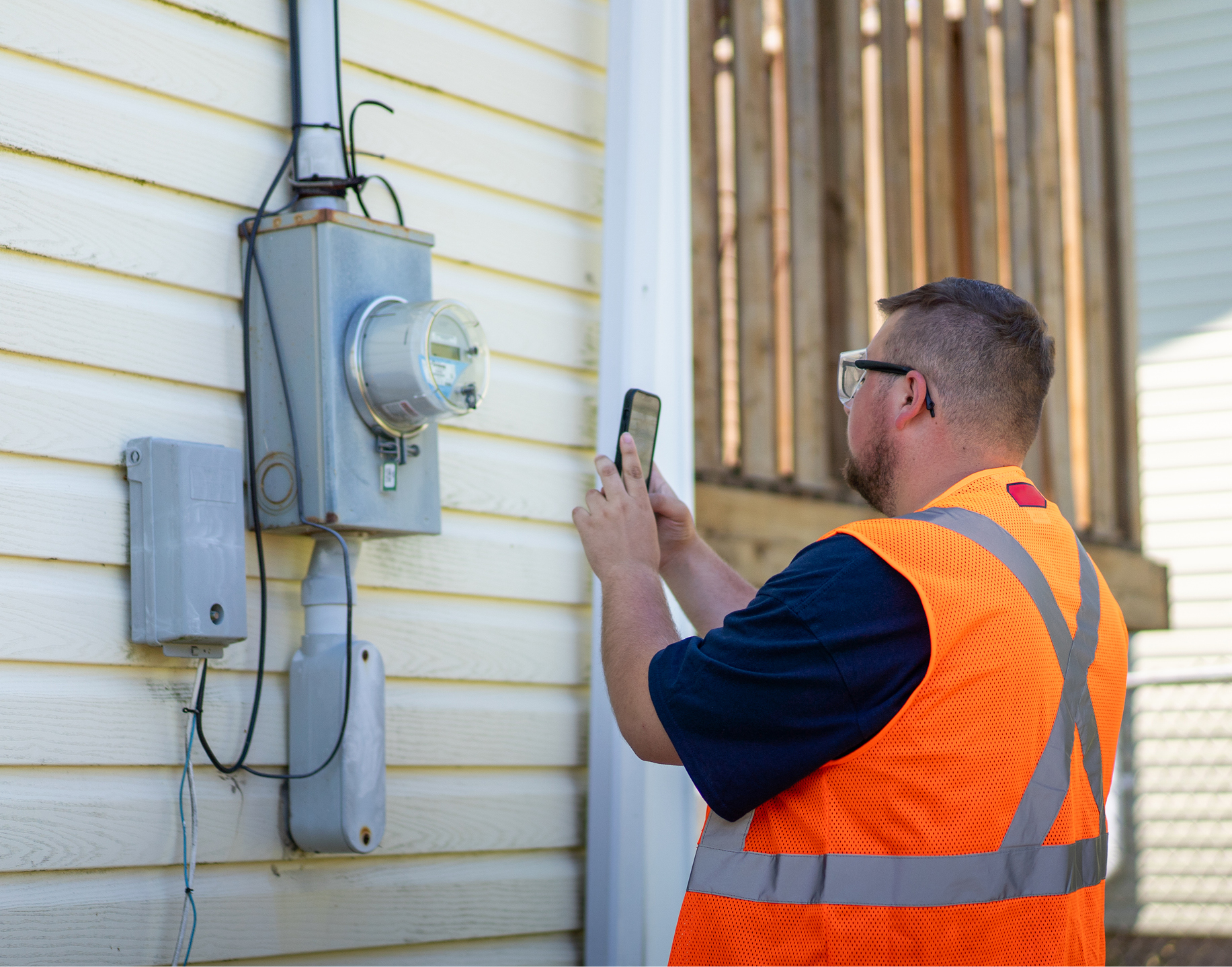
Our Commitment to You: Billing
Here is what you can expect from your billing experience going forward.
Read More about Our Commitment to You: Billing
This is the time of year we all use more electricity. Temperatures are colder, the days are shorter, and you spend more time inside heating your homes, lighting rooms, and cooking meals. It’s also the time of year we tend to get questions from customers about their power bills.
Bills can vary depending on how you heat your home, how many people you live with, what temperature you set your house or apartment at, and your daily habits and behaviours. However, by making small changes in your daily habits, or signing up for tools that are right for you, you can better control how and when you use energy, which will in turn help manage your power bill. Visit here to learn more >
If you’re looking for a predictable energy bill each month, you might want to consider Equal Billing. By signing up, the cost of the electricity you use each year is spread out over 12 equal monthly payments. This means you know exactly how much you’ll pay each month and won’t be surprised with a higher bill during the peak heating season in the winter. Also, you will never pay more than the energy you use!
We also have an online tool called MyEnergy Insights, which gives an estimate of the energy you are using in your home or business. It is broken down by appliance, giving you more information about the energy you’re using and more control over how you use it. You can access MyEnergy Insights through your MyAccount.
Making small changes at home can make a real difference in your power bill. A few tips to keep in mind include using smart or programmable thermostats to provide control and consistency of heating, setting heat pumps at a temperature you’re comfortable with and leaving them, and turning off lights and unplugging electronics when you’re not using them. These devices use standby power even when they’re turned off, so consider using a power bar to turn them off completely and back on easily. Efficiency Nova Scotia is a great resource for energy efficiency tips and learning about rebates.
Heating your home with electric or using a heat pump instead of oil or propane can make a positive difference for your wallet. When you make the switch, you’ll notice some changes in your household costs, too. Remember, even though your electric bill will increase because you’re using more electricity, your overall household energy costs will go down. Curious about the savings your household could experience by going electric? Check out our electrification calculator >
If you are struggling to pay your power bill, we encourage you to call our Customer Care team at 1-800-428-6230—we are always here to help. There are programs and resources available and we will always provide guidance and support. There are also additional supports in place for low-income households, including the HEAT Fund, which provides emergency assistance for all forms of home heating (i.e., electric, propane, oil, wood, and natural gas) for eligible Nova Scotians.
We offer Time-of-Use and Critical Peak Pricing rate pilots. These pilots are designed for those who can change their habits around how and when they use electricity to take advantage of lower rates during off-peak periods. The goal is to help shift the demand for energy away from peak times of the day/year and keep costs down for customers.
Roughly 12,000 customers are enrolled in the Time-of-Day Rate program, which is available to customers with an electric thermal storage (ETS) unit in their home. These heating systems include room units, furnaces, and in-floor heating. They can help you lower your heating costs by storing heat when electricity costs less and releasing the heat throughout the day. During the prime heating season (December to February), off-peak, mid-peak, and peak rates apply. For all other months (March to November), you'll only experience mid-peak and off-peak. By programming your ETS to match these hours, your home will always be comfortable and cost-efficient.
For more information on programs and tools to help you save energy and money this winter, visit here >
Share This Post:
Here is what you can expect from your billing experience going forward.
Read More about Our Commitment to You: Billing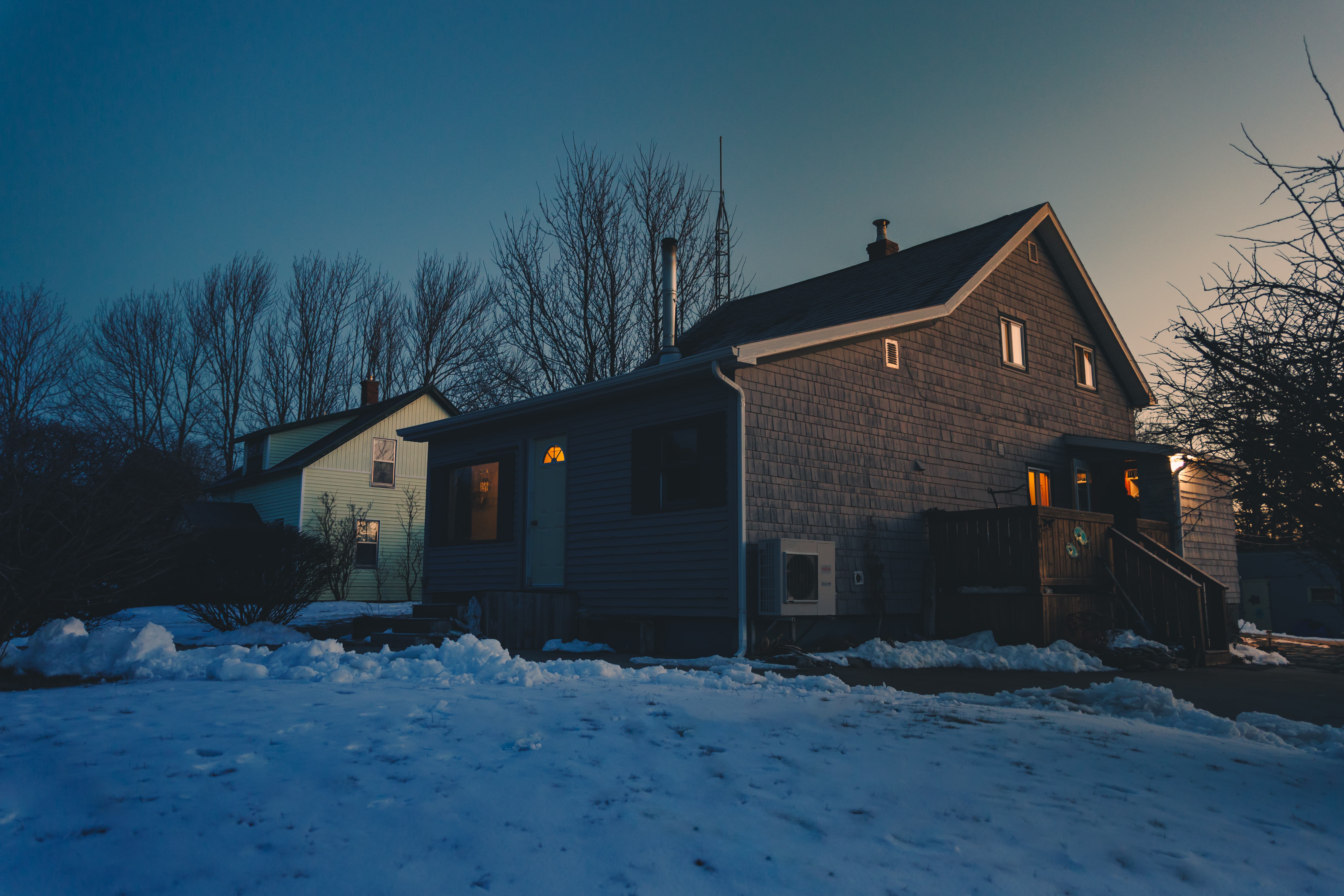
Just like the seasons, your energy use naturally changes over the course of the year. While your bill can fluctuate throughout the colder season, there are things you can do now to manage your bill and keep it steady throughout the seasons.
Read More about Managing your energy use this winter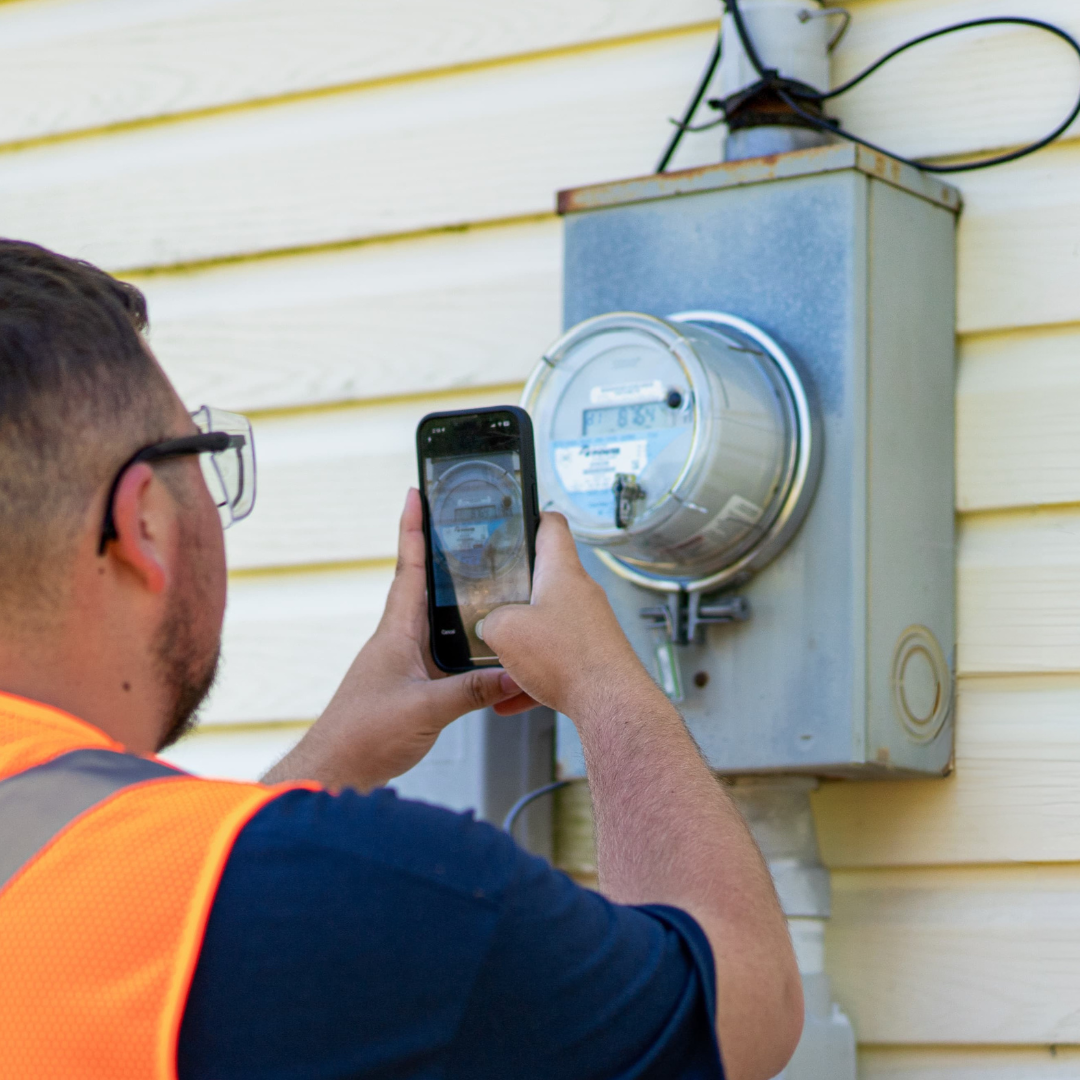
We know that recent challenges with estimated billing have caused frustrations and concerns, and that this year’s cyber incident has impacted you and your trust in us. We're holding a series of in-person community sessions across the province to help our customers understand the options related to their bills. Our promise to all you—and all our customers—is where we’ve made mistakes, we will fix them. If we have overestimated or underestimated your bill, we will fix it. If you have overpaid, we will fix it.
Read More about Our Customer Care team is hosting in-person support sessions