

Working together through an extremely cold weekend

With wind chills reaching as low as -28 degrees across the province this weekend, energy demand in Nova Scotia climbed to an all-time high.  

While Nova Scotians are no stranger to cold weather, this weekend posed a unique challenge: wind generation on the system was unusually low at critical times. Nova Scotia has over 600 MW of wind generation; however, on Sunday, wind output went from 350 MW in the morning to just 75 MW during peak energy demand in the evening. During this time, other energy sources—along with support from neighbouring utilities and our two new grid-scale battery sites—played a critical role in keeping power flowing to your homes and businesses. 

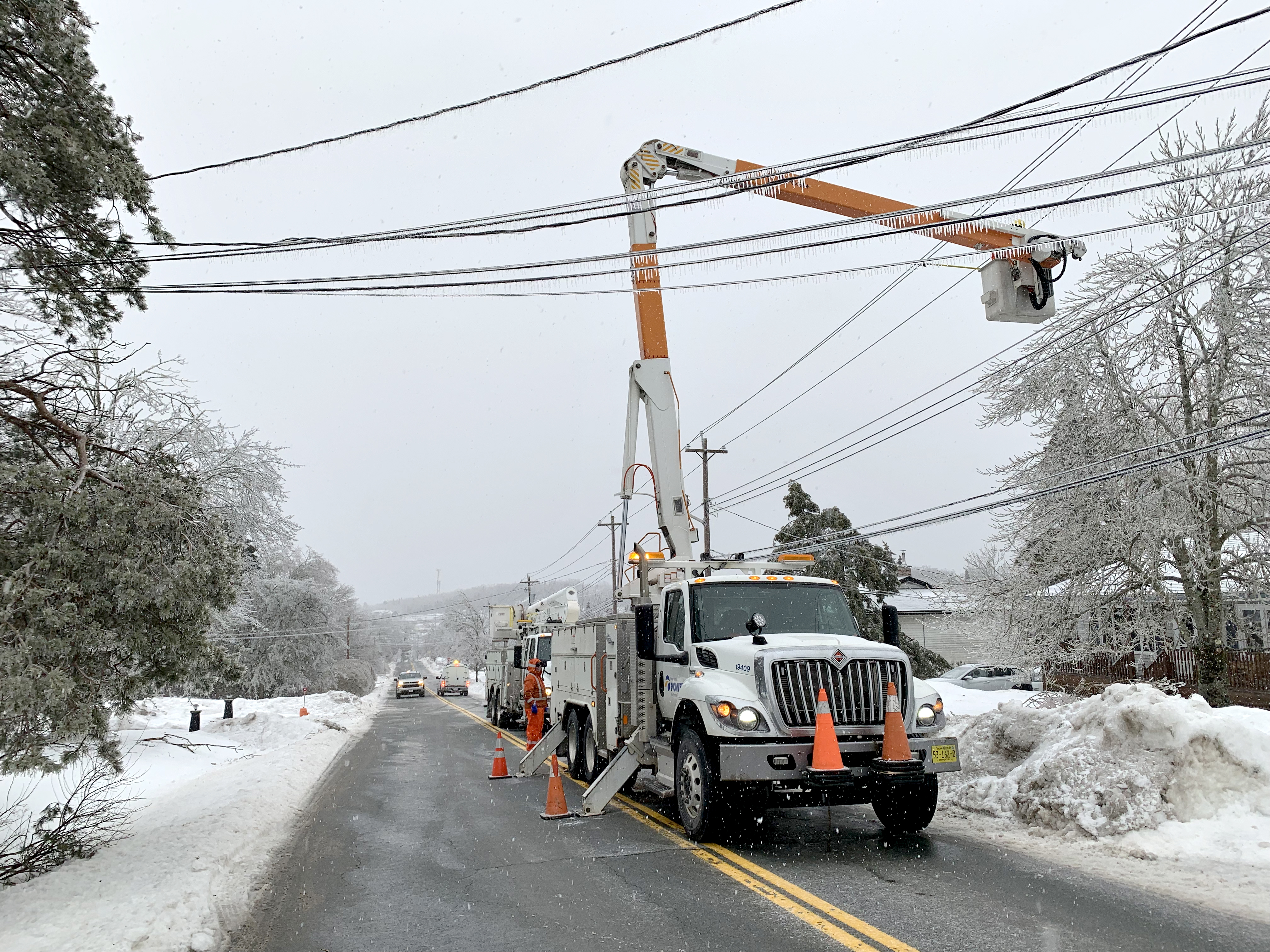
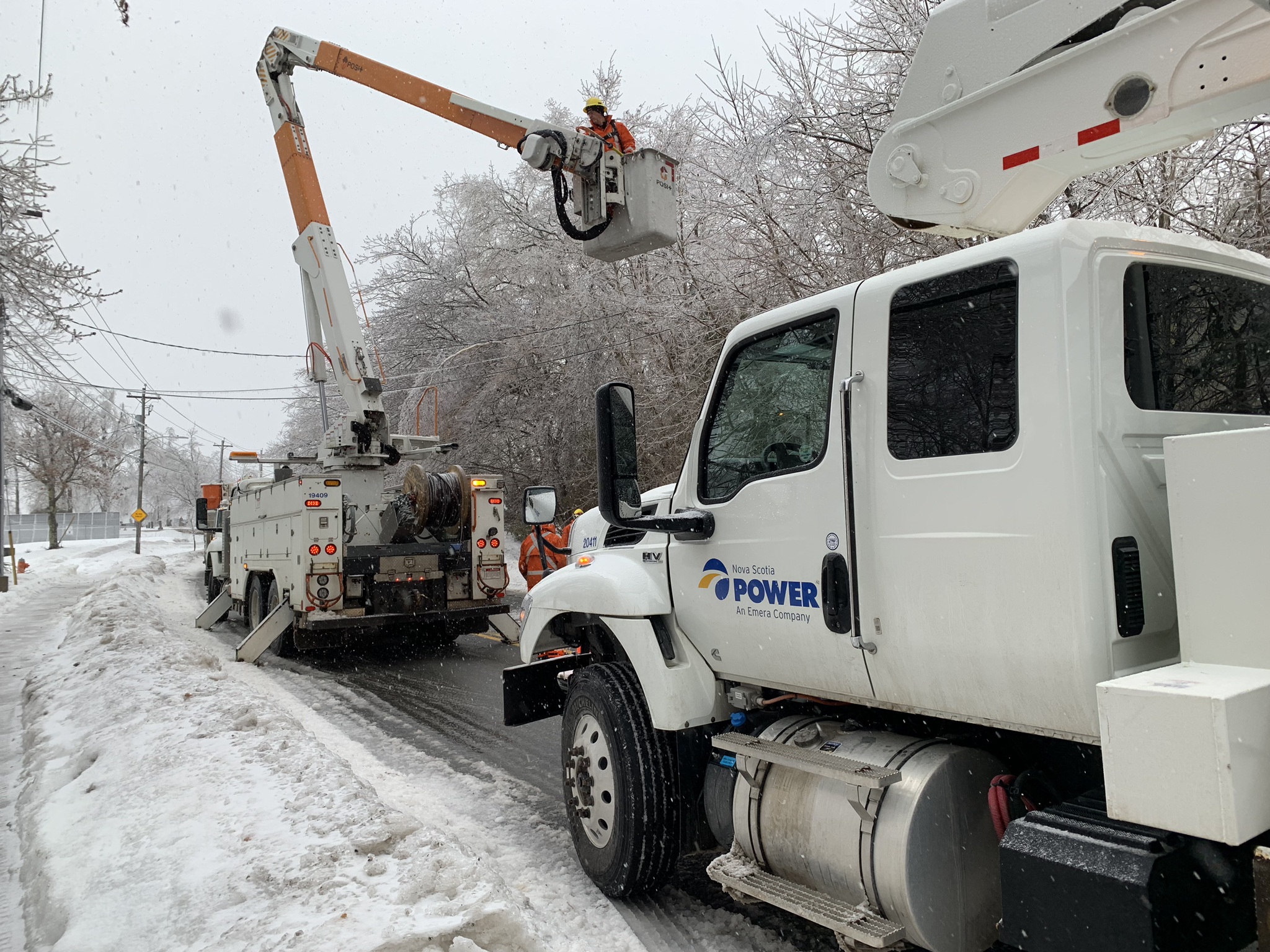
Teams across the business—including powerline technicians, substation operations, and regional operations—were focused around the clock on preparing for and maintaining safe, reliable energy production to meet the needs of our customers.  

As we moved into the Warning stage of our Grid Status Index, and to help avoid reaching the Load Shedding stage, we asked for your support over the weekend to conserve energy in ways that worked for you—such as doing laundry during off-peak hours or lowering thermostats. Throughout the weekend, electricity demand continued to climb. We surpassed the previous peak demand record from 2023, reaching a new all-time high of 2,481 MW. By comparison, our customers’ average hourly daily energy needs are approximately 1,700 MW in the winter months.  

While the cold did cause some localized outages on Sunday, our teams were able to prevent broader, system-wide impacts that could have resulted in load shedding, including short, rotating outages across the province. 

Thanks to your cooperation and support from neighbouring utilities—and real-time operational decisions made by our teams based on weather conditions and energy demand—we worked through this extremely cold weekend together. By Monday morning, the grid status was returned to Normal.

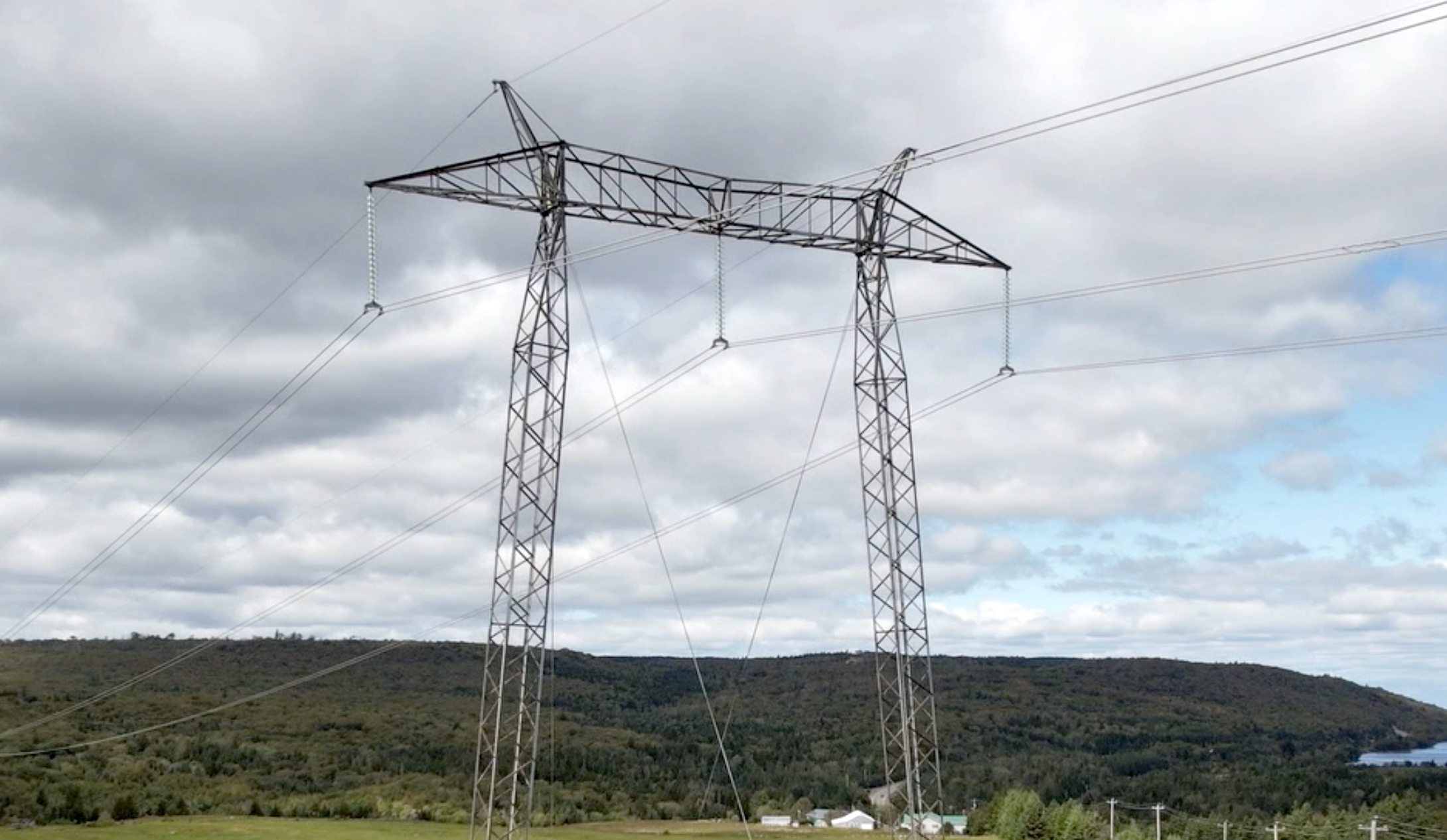
As Nova Scotia continues to experience more extreme weather—from prolonged cold snaps to powerful hurricane-force winds—we are planning, investing, and implementing new technology and strategies to strengthen our generation facilities and grid infrastructure. These efforts are part of our Five-Year Reliability Plan and are focused on building a more resilient energy system for the future.


Share This Post: